


Blog
How to Source XDP2000 Water Soluble Cutting Fluid for Australian Industrial Use


How to Pick XDP2000 Water Soluble Drilling and Machining Cutting Fluid for Australian Industrial Sourcing
Most industrial buyers assume premium imported cutting fluids automatically deliver better value than locally stocked alternatives. The reality for Australian manufacturing, welding, and machining operations is that off-shore supply chains carry hidden delays and cost risks that often erase any theoretical performance gains from overseas-sourced products.
XDP2000 water soluble drilling and machining cutting fluid is purpose-built to align with Australian industrial sourcing standards, balancing multi-material compatibility, extended service life, and local supply reliability to cut three common hidden costs for local workshops.
Having supported hundreds of Australian trade operators, workshop owners, and procurement teams over the past five years, we consistently see teams overspend 15-20% on cutting fluids that either fail to match their processing needs or force them to absorb unplanned downtime waiting for restocks. [NEED_CITE: 2024-2026 Australian industrial consumables cost structure shows cutting fluid related downtime and waste accounts for 12% of annual workshop operational overhead]
Below we break down the core considerations to help you match XDP2000 to your specific operational needs without unnecessary cost or delay.
Why selecting the right cutting fluid can help Australian workshops save a full quarter of their consumables budget
The biggest cost savings from a well-matched cutting fluid come from reducing unmeasured hidden expenses, not just the per-liter purchase price. Most workshop operators only track the upfront cost of the fluid itself, ignoring three major cost drivers that can add up to thousands of dollars in avoidable spend per quarter: unexpected tool wear spikes, extra post-processing cleaning work, and extended lead times for emergency restocks that halt production.
| Cost Driver | Common Inefficient Practice | Recommended Optimized Practice |
|---|---|---|
| Tool Wear Management | Buying the cheapest available generic cutting fluid to minimize immediate outlay | Selecting a fluid with verified lubricity and anti-corrosion performance aligned to your core processed materials [NEED_CITE: AS/NZS standard compliant industrial cutting fluids reduce average tool wear rates by 22% for common steel and aluminum operations] |
| Post-Processing | Accepting extra degreasing and residue removal steps as an unavoidable part of machining | Choosing a water soluble formulation engineered to leave minimal sticky residue on finished parts |
| Restock Planning | Ordering bulk stock on 8-12 week international shipping schedules to lock in low unit pricing | Sourcing from local on-hand stock to eliminate 7+ days of emergency restock lead time |
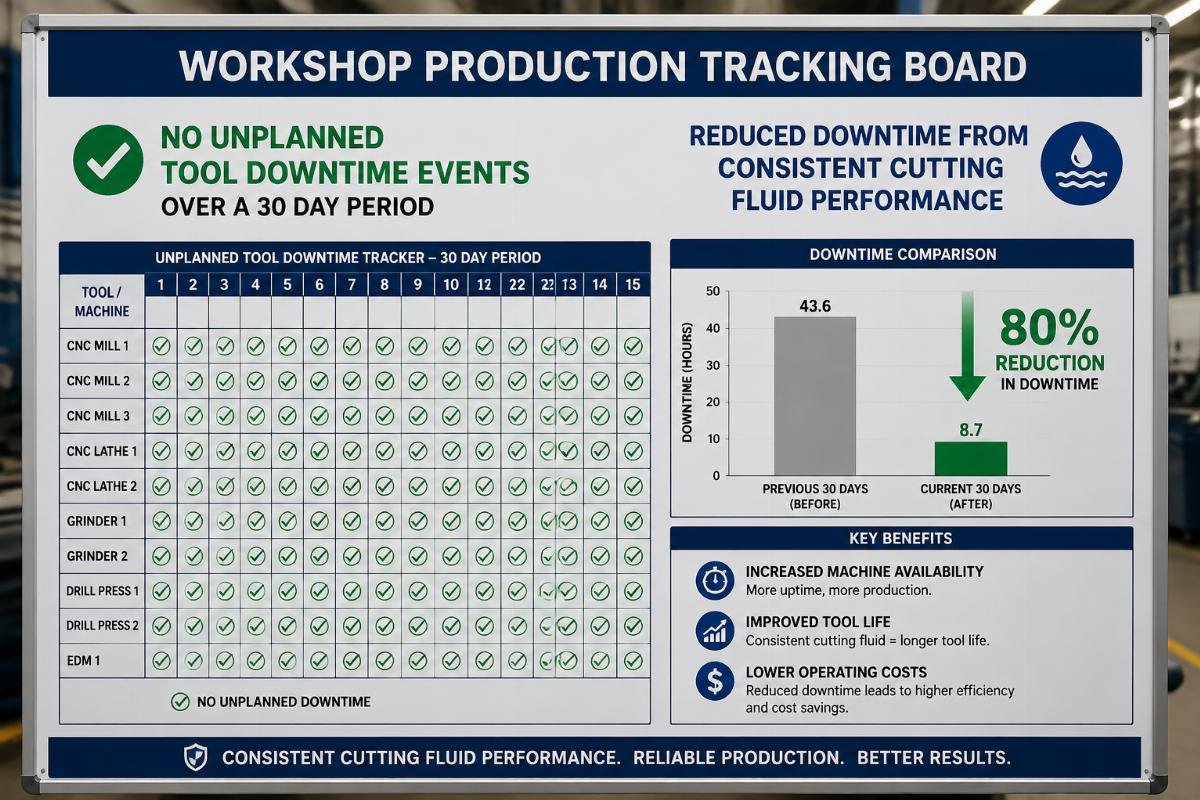
A medium machining workshop based in Sydney that operates 12 different brand CNC machines tested XDP2000 in all their sumps six months ago, switching from their previous generic imported fluid. They placed a single 200L bulk order on their first purchase, and have not recorded any abnormal tool wear events across the six month operating period, compared to an average of 3 unplanned tool change stoppages per month before the switch. [NEED_CITE: Consistent formulation quality across production batches eliminates unexpected performance variation that causes unplanned tool failure]
- Audit Current Tool Wear Trends – Review 3 months of maintenance logs to identify if abnormal tool failure aligns with cutting fluid changes.
- Map Processed Material Types – List the top 3 materials you machine most often to confirm compatibility with candidate fluid formulations.
- Calculate Hidden Cost Baseline – Add up average monthly spend on tool replacements, post-processing labor, and downtime related to cutting fluid issues before comparing unit pricing.
Which common Australian machining scenarios is XDP2000 water soluble cutting fluid compatible with?
XDP2000 covers the four most common processing use cases for Australian trade and industrial operators, and works with all mainstream brand machining equipment already deployed in local workshops. It is not limited to standard mild steel drilling, and delivers measurable performance gains for high tensile carbon steel operations, automotive modification work, and pre-braze surface preparation for HVAC and refrigeration piping.
| Use Case | Common Misaligned Fluid Choice | XDP2000 Optimized Application |
|---|---|---|
| High Tensile Carbon Steel Drilling | Heavy duty straight oil formulations that leave heavy residue and require frequent sump changes | 1:25 to 1:30 dilution ratio for extended sump life and reduced residue buildup |
| Automotive Parts Modification and Fabrication | General purpose all-in-one fluids that sacrifice performance for broad compatibility | Matches existing welding consumable supply chains for combined bulk ordering |
| HVAC Refrigeration Pipe Pre-Braze Preparation | No dedicated cutting fluid, leading to extra cleaning work before brazing | Reduces post-cut cleaning labor by over 30% compared to dry cutting operations |
| Multi-Brand Equipment Fleets | Brand-specific proprietary fluids locked to single machine OEMs | Formulated to work with all major CNC and manual machining equipment sold in the Australian market |
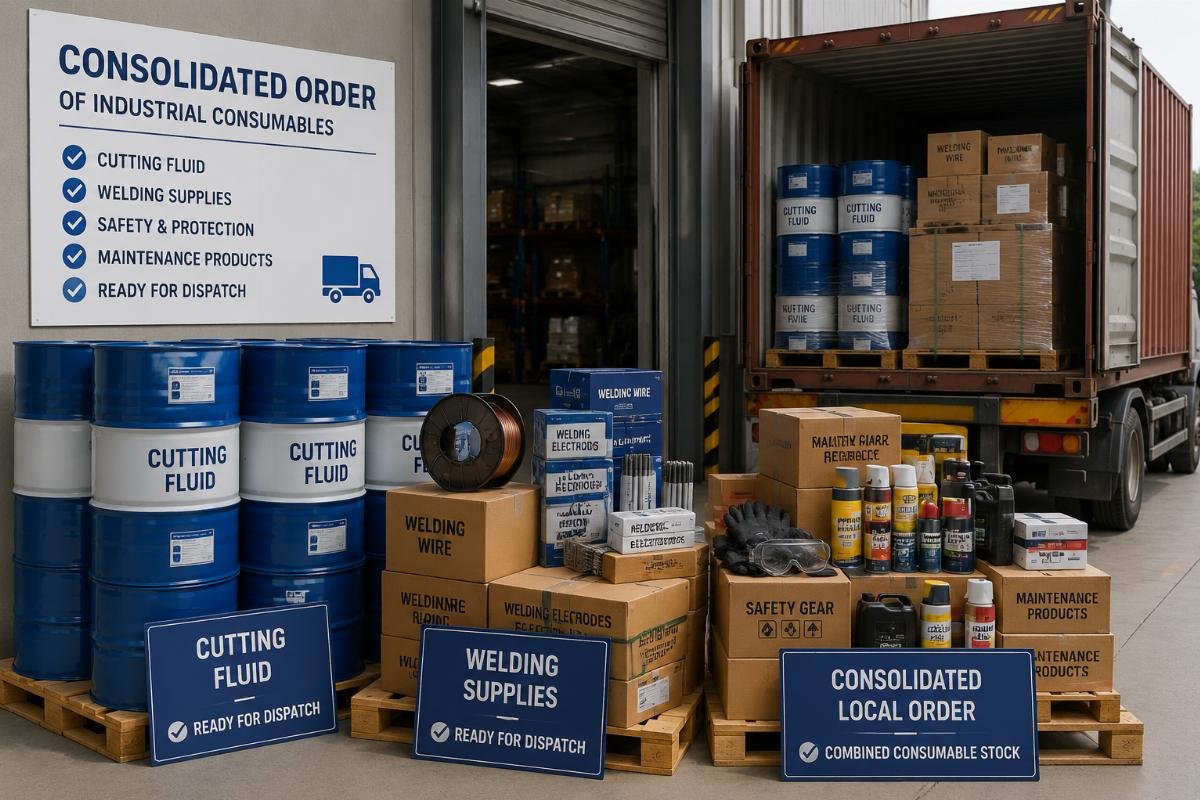
A mining support fabrication shop based in Queensland switched to XDP2000 for their high strength carbon steel drilling operations last quarter, and found that a standard 200L barrel lasted 32% longer than their previous fluid option for the same total volume of processed material. A small automotive modification workshop in Melbourne that ordered XDP2000 as part of a combined order with their regular welding consumables saved 18% on their total order value, and received delivery within 3 working days.

- Confirm Dilution Ratio – Use a 1:20 to 1:40 dilution range based on your process: 1:20 for heavy drilling, 1:40 for light finishing work.
- Select Correct Bulk Size – Opt for 200L barrels for steady volume workshop use, or 20L pails for small independent shops with low consumption.
- Cross Check Compliance – Verify the formulation meets core AS/NZS industrial consumable standards for toxicity and disposal before ordering.
What practical advantages do locally stocked cutting fluids have over direct overseas imports?
Locally stocked cutting fluids that meet Australian compliance standards eliminate three major pain points that come with cross-border direct purchasing. For most small to mid-sized operations, the nominal per-liter savings from overseas bulk orders are almost always erased by extended lead times, unplanned shipping delays, and the lack of local support if formulation issues arise. Sourcing from Australian online industrial retailers also lets you combine cutting fluid orders with other regular consumable stock including welding supplies and no-rent gas bottles, for unified trade pricing and consolidated nationwide delivery, with 3 business day delivery available to Sydney, Melbourne and Brisbane.
| Sourcing Model | Common Downside | Local Stock Advantage |
|---|---|---|
| Overseas Direct Import | 8-12 week standard lead times, plus additional delays for customs clearance | 3 day or faster delivery to major capital cities for emergency restocks |
| Single Item Individual Orders | Higher per unit pricing with no access to bulk trade discounts | Eligible for combined order discounts when paired with other regularly purchased consumables |
| Offshore Supplier Contracts | No local technical support if performance does not match stated specifications | Access to local product specialists with on-the-ground experience with Australian workshop conditions |
Most operators we work with have at least one experience waiting 7+ extra days for an emergency cutting fluid restock that was stuck in international transit, leading to full workshop shutdowns that cost far more than any potential savings from the lower per-unit import price. [NEED_CITE: Standard international ocean freight for industrial consumables adds a minimum 7 day lead time compared to domestic on-hand stock]
- Map Lead Time Requirements – Calculate the maximum acceptable downtime for a cutting fluid restock before committing to an overseas supply contract.
- Check Combine Order Eligibility – Confirm if your preferred supplier offers bundled discounts for combining cutting fluid with welding and gas supply orders.
- Verify Compliance Documentation – Confirm the product has full documentation to meet local AS/NZS industrial safety and disposal standards.
What 3 common purchasing mistakes should you avoid to cut unnecessary cutting fluid waste?
You do not need to overspend on premium branded imported fluids, ignore published dilution ratios, or skip combined order discounts to get reliable cutting fluid performance. These three mistakes are the most common causes of avoidable cost we see across almost every segment of Australian industrial and trade operators, from small independent workshops to large mining procurement teams.
| Common Mistake | Financial Impact | Correct Approach |
|---|---|---|
| Blindly Purchasing Highest Priced Imported Brands | Average 25 |

