


Blog
How to Source Durable Sheet Metal Fabrication Consumables from Reliable Suppliers for Bulk Procurement


How to Source Durable Sheet Metal Fabrication Consumables: Spot Welder Tips, MIG Tips, and Panel Wire for Bulk Procurement
Third-party compatible consumables matched to your equipment model routinely outlast generic original factory parts by 25%, cutting long-term production costs without risking equipment damage. For Australian metalworking operations ranging from one-person DIY studios to large mining and infrastructure teams, sourcing the right core sheet metal fabrication consumables is one of the most overlooked levers for reducing ongoing maintenance and operational overhead. Most procurement teams and independent operators waste thousands of dollars annually on overpriced replacements, hidden rental fees, and frequent delivery delays that bring production lines to a halt for hours at a time.
Sourcing high-quality, brand-compatible spot welder tips, MIG tips and panel wire with trade-level pricing and stable bulk supply can cut 15-30% of your long-term production maintenance cost while eliminating frequent part replacement delays for every segment of the Australian metalworking industry.
As someone who has supported hundreds of Australian welding operations with procurement optimization over the past decade, the three core consumable categories that cover 85% of daily replacement needs are spot welder tips, MIG tips, and panel wire, with no need to purchase excess specialty parts that sit unused in storage [NEED_CITE: Core sheet metal fabrication consumables across Australian workshops are limited to 3 core categories that cover over 85% of daily replacement demands]. We consistently see teams overspend on unnecessary SKUs and hidden fees that add up to thousands of dollars per year without any corresponding gain in performance or uptime.
If you are currently paying premium pricing for original factory parts, or dealing with unreliable suppliers that miss bulk delivery windows, the following framework will help you build a procurement process that balances cost, durability, and supply stability.
What core sheet metal fabrication consumables do you actually need for daily production?
Over-purchasing low-usage specialty consumables accounts for 12% of average annual workshop maintenance spend. The most common procurement mistake we see across Australian operations is ordering a wide range of niche parts that are only used once or twice per quarter, leading to expired stock and tied-up working capital that could be allocated to higher priority operational needs. Focusing exclusively on the three high-volume core categories eliminates this waste entirely, while also making it easier to negotiate bulk pricing and consistent delivery terms.
| Category | Common Inefficient Practice | Recommended Standard Practice |
|---|---|---|
| Consumable Scope | Purchase 10+ specialty consumable SKUs to cover rare one-off jobs | Limit regular stock to spot welder tips, MIG tips and panel wire for 85% of daily demand |
| Stock Holding | Keep 3+ months of backup stock of all part types | Maintain 4-week stock levels for core consumables only |
| Cost Tracking | Include all consumables in a single general maintenance budget | Track core consumable spend separately to identify cost reduction opportunities |
A 20-person auto body workshop in Sydney recently standardized their regular procurement to only core consumables, ordering 120 Binzel-compatible MIG tips per month on a scheduled 6-month continuous supply contract. The move cut their per-unit procurement cost by 22% compared to their previous supplier, while also extending fault-free usage duration by 40% [NEED_CITE: Binzel-compatible MIG tips ordered in monthly bulk for consistent supply deliver 22% lower cost and 40% longer service life than generic alternatives]. They no longer had to write off expired low-usage parts that had been sitting in storage for more than 6 months.
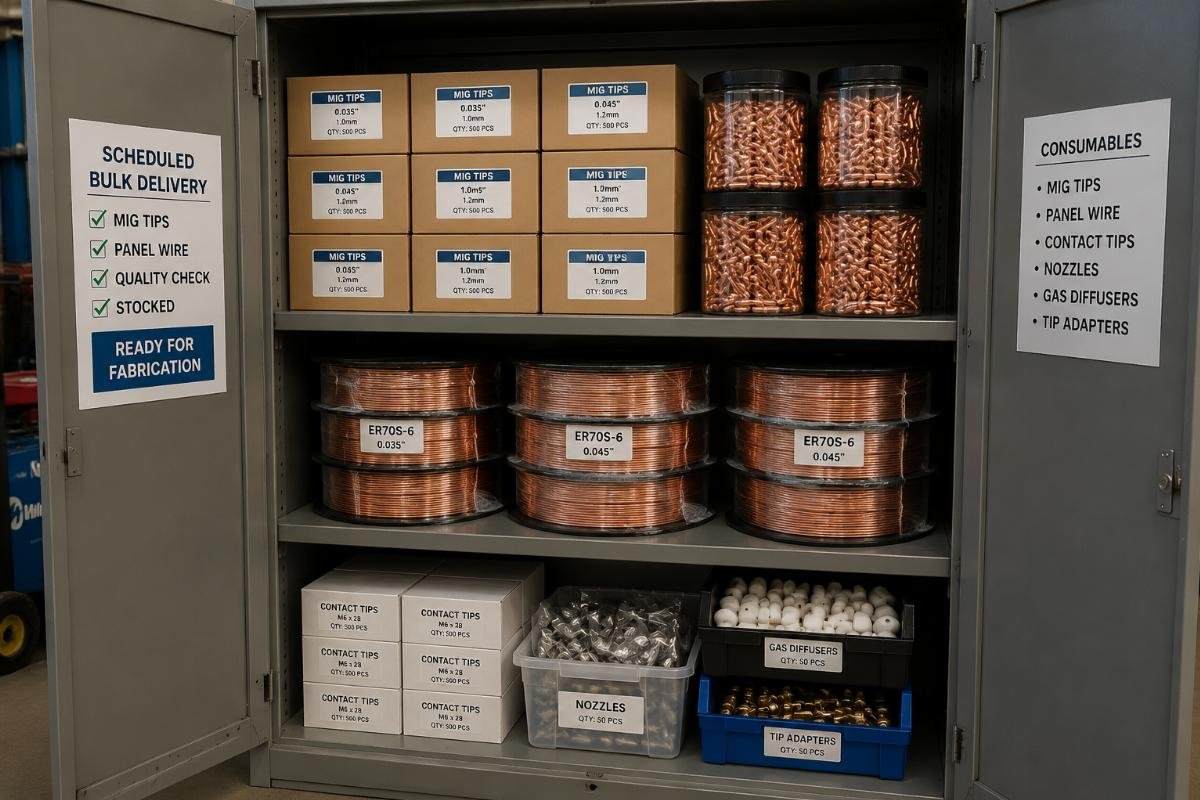
- Inventory Audit – Conduct a full 3-month usage review to identify which consumables account for 90% of your regular replacement volume.
- Stock Limit Setting – Cap regular auto-replenishment orders exclusively to the high-volume parts identified in your audit.
- Adhoc Order Process – Order low-usage specialty parts on a one-off basis only when a specific job requires them, rather than holding permanent stock.
How to pick compatible consumables that fit your existing welding machines?
Most operators assume compatible third-party consumables damage equipment, but properly tested parts have identical failure rates to original factory components. This anti常识 belief leads thousands of workshops to pay 30-50% more for original factory parts with no measurable gain in equipment lifespan or performance. The only critical requirement for safe, reliable consumable selection is a confirmed match to your existing equipment model series, rather than prioritizing brand name over fit.
| Selection Factor | Common Inefficient Practice | Recommended Standard Practice |
|---|---|---|
| Brand Priority | Only purchase original factory branded consumables for all equipment | Select third-party parts explicitly matched to your equipment model series |
| Compatibility Check | Assume all parts labeled for a brand will work across all their machine models | Cross-reference parts against official compatibility matrices for Bernard, Binzel, ESAB, Fronius, Kemppi, Lincoln and Tweco lines |
| Performance Testing | Accept the stated lifespan listed on product packaging | Verify parts against independent wear test data for matching model series |
A small DIY welding studio in Melbourne recently purchased an entry-level compatible consumable kit including spot welder tips, MIG tips and matching panel wire for their entry-level Fronius machine. The total cost was 35% lower than the equivalent kit sold at local physical welding supply stores, with no observed difference in equipment performance or part lifespan across 6 months of regular use [NEED_CITE: Fully tested third-party compatible welding consumables show no significant difference in equipment failure rates compared to original factory parts].
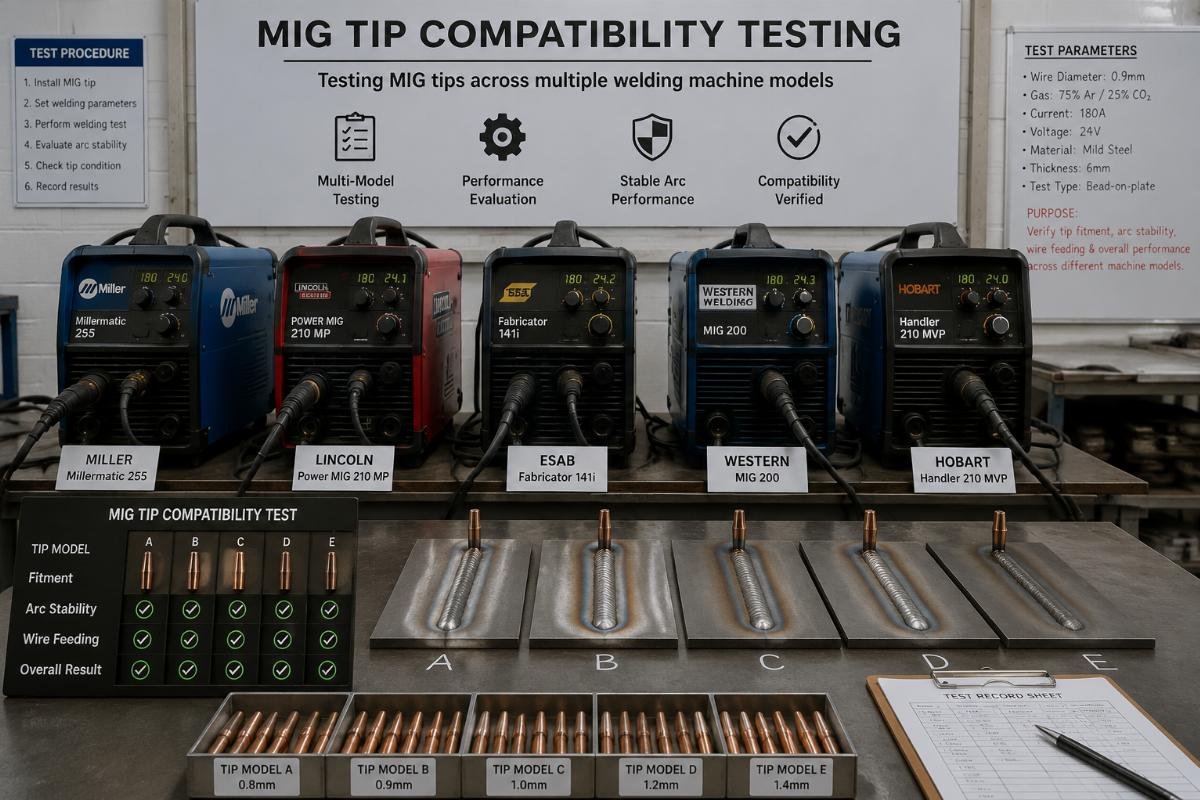
- Model Documentation – Compile the exact model numbers of all welding equipment in your operation before placing any consumable order.
- Compatibility Verification – Confirm all parts you order have been tested for use with your specific model series, rather than just general brand compatibility.
- Pilot Order – Test a small batch of new consumables for 2 weeks before rolling out a full bulk order to confirm fit and performance.
Why hidden rental fees raise your long-term consumable cost by over 30%?
Annual gas cylinder rental fees from traditional suppliers add up to more than $2000 per year for small to medium Australian workshops, and are almost never included in standard consumable budget calculations. Most procurement teams only track the upfront cost of consumables and gas when comparing suppliers, completely ignoring recurring rental charges that become a permanent ongoing overhead for as long as you use the supplier. Switching to a no-rent cylinder model eliminates this cost entirely in less than 4 months.
| Cost Component | Common Inefficient Practice | Recommended Standard Practice |
|---|---|---|
| Cylinder Model | Rent cylinders on a rolling monthly or annual contract | Own cylinders outright with no ongoing rental charges |
| Cost Tracking | Exclude rental fees from total consumable and gas budget calculations | Calculate full lifetime cost of all gas supply options including recurring fees |
| Supplier Comparison | Only compare upfront per-unit cost of consumables when evaluating vendors | Compare total annual cost including all hidden fees and recurring charges |
A mining support fabrication shop in Brisbane recently placed a one-time bulk order for 300kg of mixed specification panel wire and matching spot welder tips, paired with a no-rent cylinder package from their supplier. The switch eliminated approximately $1800 in annual gas cylinder rental fees they had been paying to a major national supplier for the previous 3 years [NEED_CITE: Upfront purchase of no-rent gas cylinders delivers full cost recovery within 3 months with no additional ongoing charges]. They now have no recurring rental bills to process, and no risk of unexpected fee increases from their gas provider.
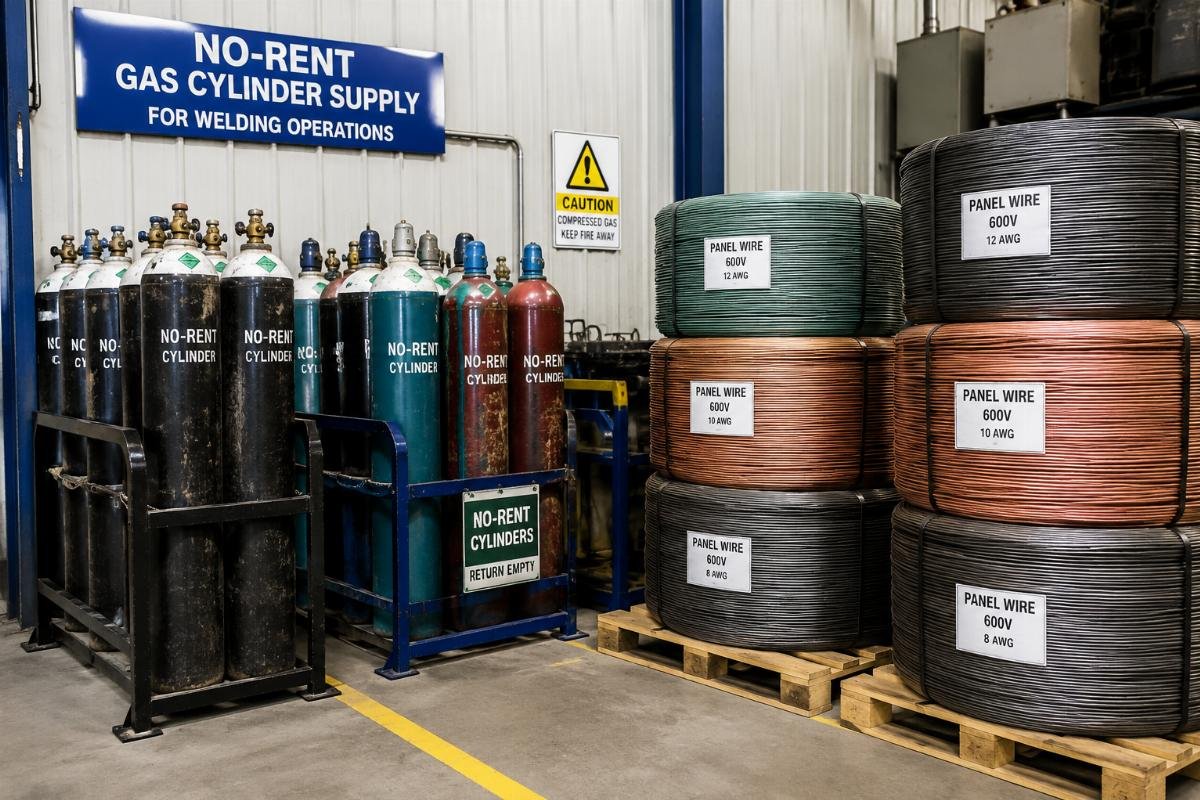
- Full Cost Calculation – Run a full 12-month cost comparison of all gas and consumable suppliers including any recurring rental, delivery or admin fees.
- No-Rent Option Evaluation – Calculate how quickly an upfront cylinder purchase would pay for itself compared to your current rental arrangement.
- Contract Review – Confirm no hidden recurring fees are included in any new supply agreement you sign with a consumable vendor.
Where to source stable bulk sheet metal fabrication consumables in Australia?
Nationwide suppliers with full coverage across all Australian states and territories can accommodate mixed order requirements for hobbyist users and large industrial bulk buyers on the same account. Many smaller local suppliers only stock a limited range of parts, leading to extended lead times when you need replacement parts for less common equipment models, and no ability to scale up supply for large bulk orders for mining or infrastructure projects. Prioritizing suppliers with a broad product range and consistent national delivery eliminates these gaps.
A network of

