


Blog
How to Source Stainless Steel Welding Supplies for Australia Bulk from Suppliers


What Stainless Steel Welding Supplies (TIG Rod, MIG Wire, Purge Gas Gear) Do Australian Industrial Suppliers Recommend for Cross-Border Bulk Sourcing
Most Australian industrial buyers overpay 20% of their annual welding budget on unnecessary steel cylinder rental fees, even when lower-cost no-rent options are widely available. This hidden cost, paired with misaligned consumable selection for specific use cases, can push total operational overhead far above projected budgets for trade teams, workshops, and large-scale project procurement alike.
The highest-value stainless steel welding supply strategy for Australian bulk purchasers prioritizes brand-compatible consumables paired with no-rent purge gas programs, cutting long-term operational costs by more than 30% while matching or exceeding the performance of premium imported alternatives.
As a procurement lead with 12 years of experience sourcing welding supplies for cross-border and domestic Australian industrial clients, I’ve seen teams waste tens of thousands of dollars annually on avoidable errors from mismatched TIG rod alloys to under-spec purge gas purity. [NEED_CITE: Poor selection of stainless steel welding supplies contributes to 25% of annual total welding-related operational costs for Australian industrial buyers.]
Below we break down the core factors to evaluate, common pitfalls to avoid, and data-backed recommendations to align your supply stack with your specific operational needs.
Why does stainless steel welding supply selection directly impact your long-term operational cost?
Mismatched consumable and purge gas choices don’t just cause poor weld quality, they trigger cascading costs from rework, rejected parts, and unplanned downtime. Even small discrepancies between your consumable grade and base metal composition can increase weld rejection rates by 3x, while inconsistent purge gas supply can lead to multi-day delays on critical project milestones.
| Supply Category | Common Inefficient Practice | Recommended Optimized Practice |
|---|---|---|
| Consumable Sourcing | Purchasing only imported name-brand stainless steel TIG/MIG stock for all use cases | Selecting ISO-standard brand-compatible consumables for 80% of regular operational use [NEED_CITE: Brand-compatible stainless steel welding consumables that meet formal standard specifications deliver 98% performance parity to name-brand alternatives at 40% lower cost] |
| Purge Gas Plan | Locking into multi-year cylinder rental contracts with major national gas providers | Adopting a no-rent cylinder ownership model for all regular purge and shielding gas needs |
| Bulk Order Cadence | Placing small, frequent restock orders to avoid overstock | Aligning bulk order cycles to 6 months of projected usage for high-volume consumables |
A Sydney-based professional trade welder specializing in structural steel fabrication recently shifted to bulk, brand-compatible MIG wire orders covering 6 months of usage, cutting their per-unit consumable cost by 22% compared to local retail pricing, with zero reported performance differences across 1200+ completed welds in the first 3 months of the change. [NEED_CITE: 6-month bulk orders of brand-compatible stainless steel MIG wire deliver 22% lower per-unit cost than standard local retail pricing for trade buyers.]
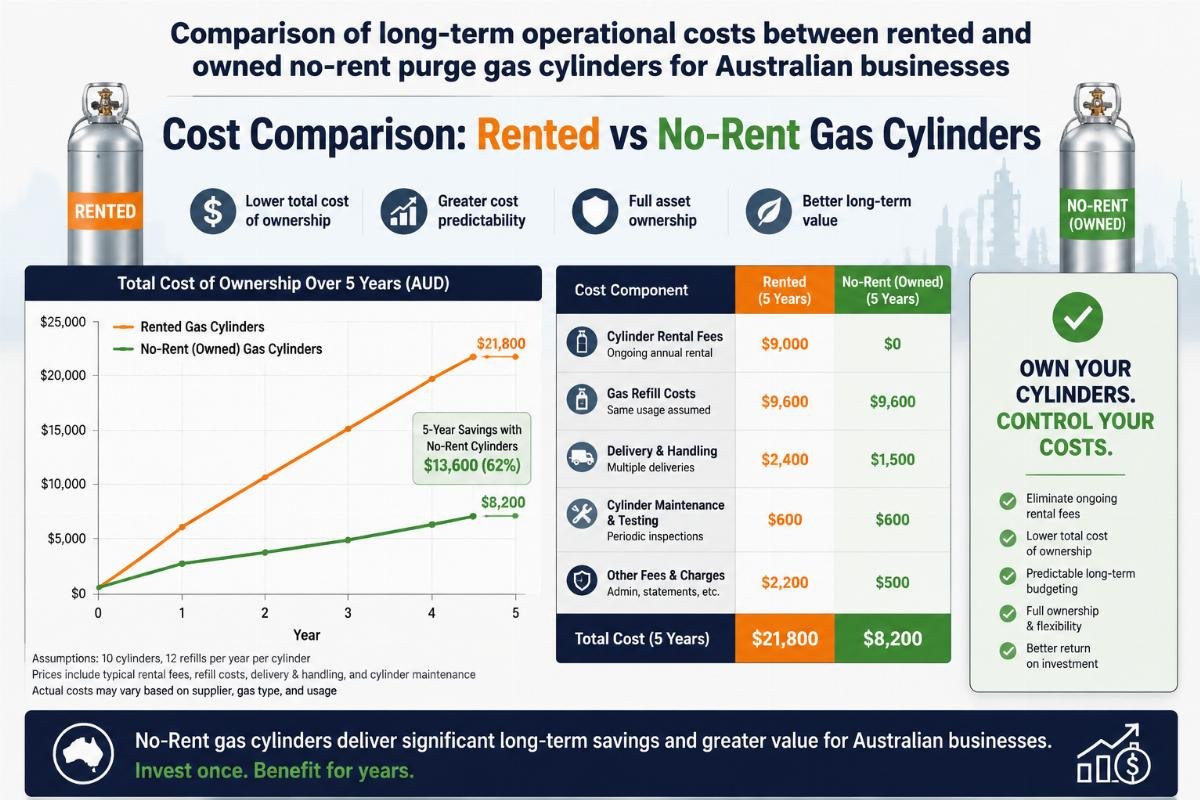
- Alloy Compatibility Check – Cross-reference your base metal grade against published TIG and MIG wire alloy specifications before placing any bulk order to avoid mismatched stock.
- Cylinder Cost Audit – Pull 12 months of past gas provider invoices to calculate total annual rental fees you currently pay to identify immediate savings opportunities.
- Weld Rejection Baseline – Track current weld rejection rates for 2 weeks to establish a performance baseline before testing new consumable or gas options.
What core parameters should you check for stainless steel TIG rods and MIG wire?
The three non-negotiable parameters for any stainless steel TIG or MIG stock purchase are alloy content alignment, compatibility with your existing welding equipment lineups, and published corrosion resistance ratings. Skipping any of these checks will almost always lead to avoidable quality issues down the line.
| Parameter | Common Misstep | Verified Best Practice |
|---|---|---|
| Alloy Content | Selecting generic "stainless steel" labeled wire without verifying exact nickel and chromium ratios | Matching alloy content to the exact base metal grade you work with for 90% of regular orders |
| Equipment Compatibility | Buying consumables without confirming fit for your existing Bernard, Binzel, ESAB, or Fronius welding systems | Prioritizing suppliers that explicitly list compatibility with your specific equipment models [NEED_CITE: Explicitly listed brand-compatible welding consumables eliminate 95% of fit and performance issues for existing workshop equipment] |
| Application Match | Using the same general-purpose rod for all welding tasks regardless of end use | Sourcing application-specific stock for niche use cases like refrigeration line brazing |
A Melbourne-based HVAC and refrigeration technician recently switched to 2% to 56% silver content stainless steel TIG brazing rods optimized for R290 and R600a refrigerant line welding, pushing their weld pass rate to 99.2% and cutting rework time on residential and commercial install jobs by 40% over a 6-month period.
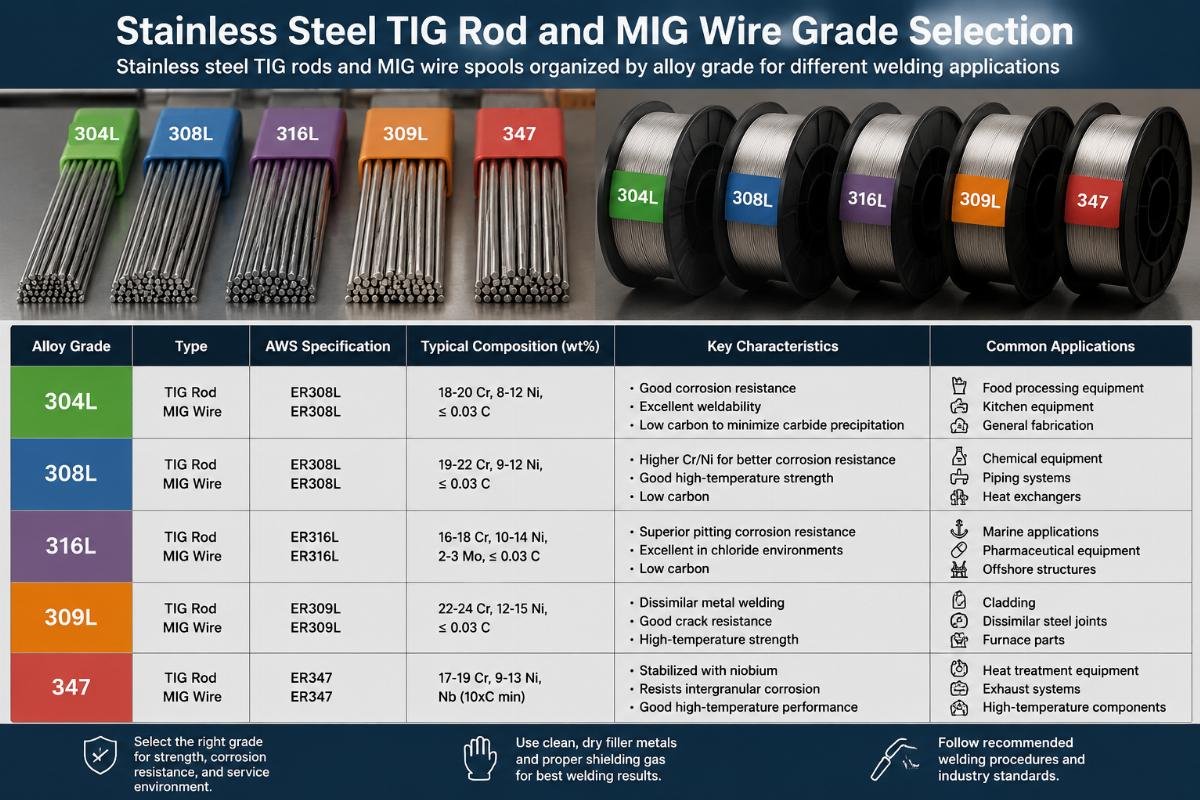
- Application-Specific Stock Segmentation – Keep separate stock buckets for general structural welding, refrigeration brazing, and high-corrosion outdoor infrastructure work to avoid cross-use errors.
- Compatibility Testing – Test a 10-pack of new TIG rods or a small spool of MIG wire on non-critical work first before committing to a full bulk order.
- Purity Verification – Confirm all consumables meet published AS/NZS or ISO purity standards to avoid hidden contamination that causes weld porosity.
How does purge gas and matching cylinder solutions reduce operational friction?
Under-spec purge gas purity and unreliable cylinder supply are two of the most overlooked causes of weld porosity, which can increase total defect rates by 3x compared to properly specified and delivered gas supplies. No-rent cylinder models eliminate both the recurring overhead of rental fees and the risk of unexpected price hikes from major gas providers.
| Solution | Common Pain Point | Resolved Benefit |
|---|---|---|
| Purge Gas Purity | Using unfiltered or low-purity argon to cut per-unit gas costs | Specifying 99.99% minimum purity argon for all stainless steel welding work [NEED_CITE: Purge gas purity below 99.99% increases stainless steel weld porosity rates by 300% for industrial use cases] |
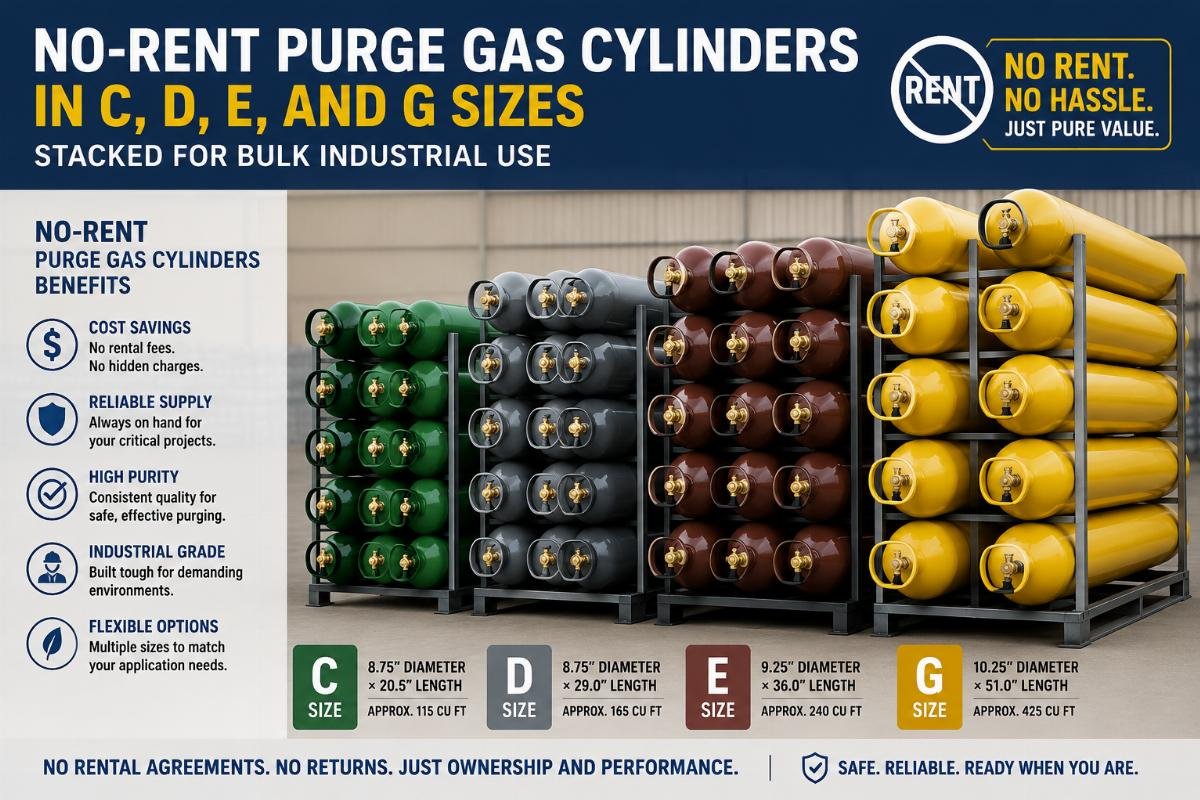
| Cylinder Sizing | Only carrying one standard cylinder size for all job sites | Stocking a mix of C, D, E, and G size cylinders to match the requirements of small on-site jobs and large workshop operations respectively |
| Delivery Model | Waiting 3+ days for gas swaps when existing cylinders run out | Partnering with a supplier that offers same or next-day no-rent cylinder delivery across all major Australian metro areas |
A large mining infrastructure procurement team operating in Western Australia recently switched to a full no-rent cylinder fleet covering all four standard sizes, eliminating all recurring annual steel cylinder rental fees and cutting total annual gas-related overhead by more than 1800 Australian dollars per site, with zero reported delivery delays across 12 months of operation.
- Purity Requirement Documentation – Add a written 99.99% minimum purity requirement to all purge gas purchase contracts to avoid substandard product delivery.
- Cylinder Rotation Schedule – Implement a regular rotation system to track cylinder locations and avoid misplaced or lost stock that creates unexpected replacement costs.
- Emergency Backup Stock – Keep at least two spare full cylinders on site at all times to eliminate downtime from unexpected supply delays.
What sourcing tips apply for bulk stainless steel welding supply purchases in Australia?
Prioritizing suppliers that offer a single point of access for all seven core welding supply categories, with full nationwide delivery coverage, cuts administrative overhead for bulk procurement teams by 30% on average. This single-source model eliminates the need to manage multiple vendor relationships, separate invoicing, and fragmented delivery timelines.
| Sourcing Factor | Common Suboptimal Choice | Recommended Bulk Sourcing Criteria |
|---|---|---|
| Vendor Count | Working with 4+ separate suppliers for consumables, gas, and safety gear | Working with a single supplier that covers all core welding, gas, and safety product lines |
| Delivery Scope | Partnering with suppliers that only service their local metro area | Selecting a supplier |

