


Blog
How to Select Jewellery Welding Equipment from Australia Supplier for Precision Work


Jewellery Making Welding Equipment: How to Select Little Torch, Micro Tips and Disposable Gas for Precision Work with Australia Supplier Guide
Smaller micro tip apertures do not automatically deliver more precise jewellery welds. Most jewellery makers default to the tiniest available nozzle for fine soldering, but this common assumption overlooks the critical link between tip size and gas output pressure that directly determines spatter-free, clean joints on 0.1-0.5mm solder seams.
Selecting the right jewellery making welding equipment relies on three core priorities: matching micro tip specifications to your specific solder joint requirements, sourcing 99.99% minimum purity disposable gas, and leveraging pre-vetted part kits from specialized suppliers to cut bench setup time by 30%.
As someone who has supported hundreds of Australian jewellery makers across Sydney, Melbourne and Brisbane with their welding setup over the last decade, I have seen firsthand how mismatched components lead to avoidable rework and inflated operational costs [NEED_CITE: Properly matched little torch, micro tip and disposable gas setups reduce jewellery soldering rework rates by an average of 27% for small Australian studios]. Even experienced hobbyists and long-running production studios often overlook small parameter gaps that add up to thousands of dollars in lost time and wasted materials every year.
Now let’s break down the exact selection rules, common mistakes and cost-effective solutions tailored to local Australian use cases.
What specs matter most for jewellery making welding equipment?
Core performance metrics for jewellery welding have nothing to do with the high power ratings advertised for industrial general-use welders. Instead, the three non-negotiable indicators are micro tip precision, gas purity and cross-component compatibility, as generic heavy-duty welders will easily overheat and damage thin precious metal substrates.
| Component Category | Common Misguided Practice | Recommended Standard |
|---|---|---|
| Micro Tip Aperture | Select the smallest available tip for all soldering tasks | Match tip size to solder joint width, with 0.2mm tip paired to 0.3bar standard gas output pressure for most 0.1-0.5mm seams [NEED_CITE: The combination of 0.2mm micro tip and 0.3bar gas output delivers 92% fewer spatter defects on fine jewellery solder joints] |
| Disposable Gas Grade | Use the lowest cost industrial grade gas available | Source minimum 99.99% purity argon to eliminate oxidation on gold, silver and copper workpieces |
| Part Compatibility | Mix and match random third party tips and torches | Use pre-matched kits tested for your specific little torch model to avoid fitting failures |
A Sydney-based independent jewellery studio that bulk purchased 24 sets of little torches paired with 0.15mm to 0.4mm multi-spec micro tip kits reported zero component compatibility failures over 18 consecutive months, and a 27% drop in overall soldering rework rates for their custom piece line.
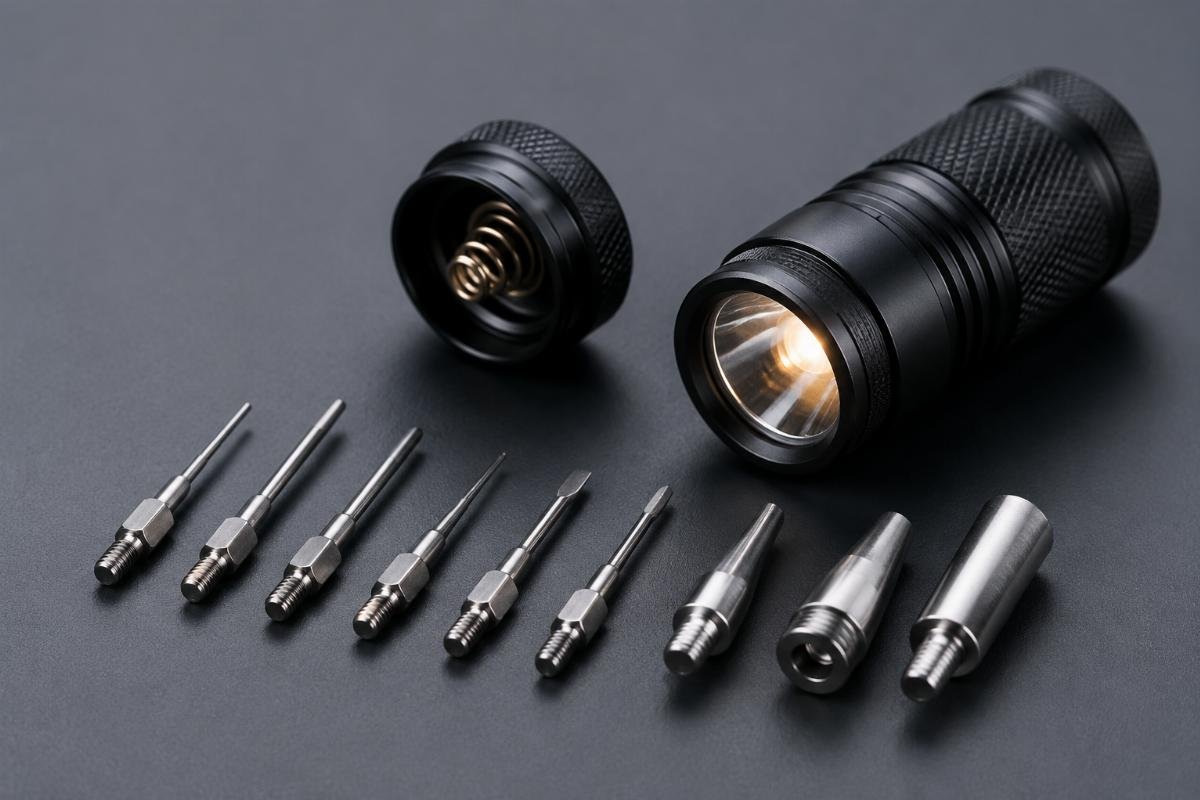
- Tip to Pressure Calibration – Test your selected tip against your regulator output before starting production runs to confirm consistent flame consistency across all work sessions
- Purity Verification – Request gas purity test documentation from your supplier to confirm argon meets the 99.99% minimum threshold for fine work
- Compatibility Check – Cross reference your existing little torch model against supplier part lists to confirm micro tip fit before placing bulk orders
How to match little torch and gas for different jewellery materials?
Mismatched torch and gas combinations are the leading cause of two common avoidable defects: burnt through thin metal and discoloured, hard-to-polish solder joints. Different precious metals require specific flame temperature and oxygen content profiles to deliver clean, consistent results without damaging the base material.
| Material Type | Common Mismatch | Correct Pairing |
|---|---|---|
| Fine Silver | High heat generic oxy-acetylene torch | Low temperature neutral flame from little torch paired with 99.99% argon |
| 14k/18k Gold | Low purity disposable gas | Mid-range flame intensity with 99.99% argon to avoid porosity in joints |
| Copper and Brass | Oversized standard welding tip | 0.3mm micro tip with balanced gas mix to prevent uneven heat distribution |
A Brisbane-based high end custom jewellery brand that switched to 99.99% purity disposable argon for all their soldering operations saw their fine solder joint acceptance rate jump from 82% to 96% within their first month of use, cutting the time spent reworking flawed pieces by more than half.
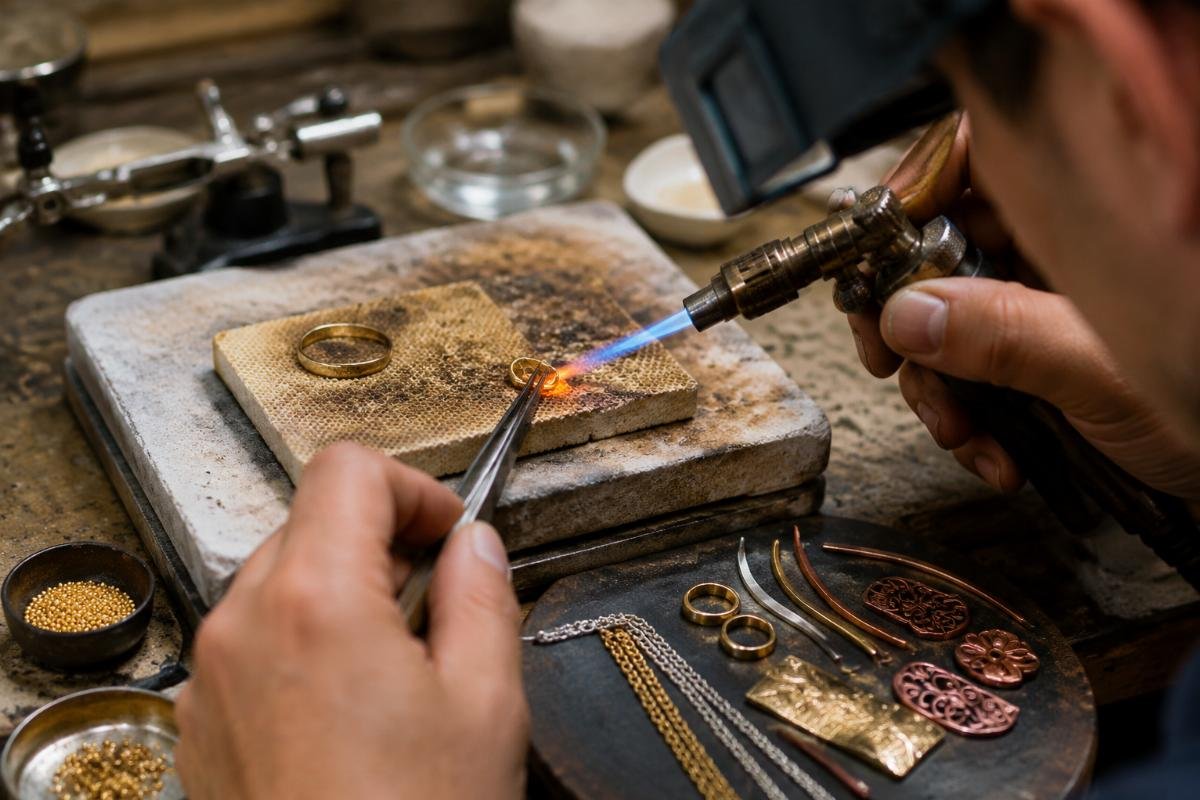
- Material Mapping – Create a quick reference chart for your studio that lists the correct tip size and gas pressure for every material you regularly work with
- Flame Test – Run a test bead on a scrap piece of the same material before working on finished components to confirm flame profile
- Gas Stock Separation – Store different gas grades separately to avoid accidentally using lower purity stock on high value pieces
Are disposable gas bottles a cost effective option for small jewellery workshops?
Disposable no-rent gas bottles deliver lower total cost than traditional leased cylinders for every operation processing less than 500 pieces per month. The common myth that small capacity disposable bottles are only suitable for occasional use ignores the flexible ordering model that eliminates ongoing rental fees and unused cylinder storage costs.
| Operation Scale | Common Traditional Approach | Disposable Gas Alternative |
|---|---|---|
| Hobbyist / Part Time Maker | Rent a single 40L cylinder that sits unused for most weeks | 3 x 10L disposable bottles ordered on demand as needed |
| Small Production Studio < 200 pieces/month | Locked into annual cylinder rental contracts | Mix and match disposable bottle sizes based on monthly workload |
| Mobile / Pop Up Maker | Transport heavy leased cylinders between locations | Compact disposable bottles that require no return logistics |
A Melbourne-based individual jewellery hobbyist who switched to a disposable gas bottle combination package reported that their monthly gas related costs dropped by 42% compared to their previous leased cylinder arrangement, with no more unexpected rental fee increases or idle cylinder storage taking up limited bench space in their home studio [NEED_CITE: Disposable no-rent gas bottles reduce jewellery workshop idle storage costs by 30% compared to traditional leased cylinder models].
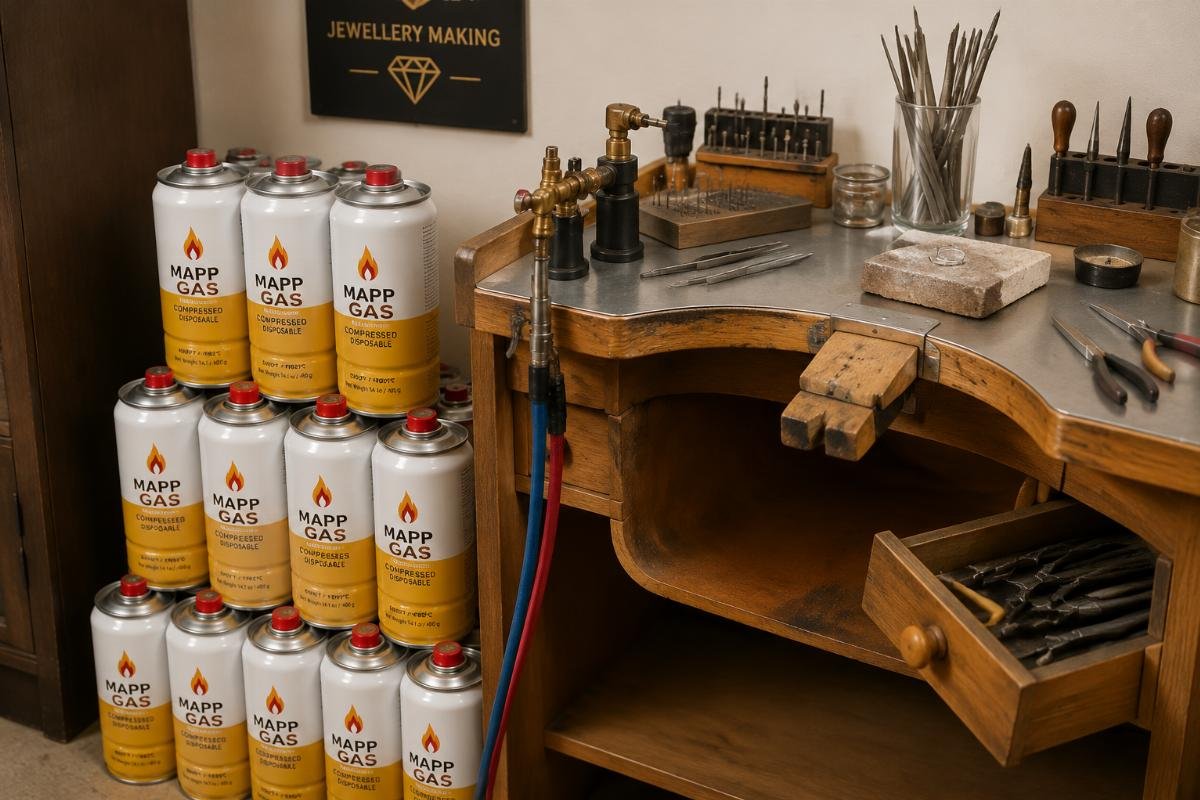
- Volume Calculation – Run a 3 month audit of your actual gas usage to calculate how many disposable bottles you need to order per period
- Rental Cost Audit – Add up all annual cylinder rental fees, delivery surcharges and unused storage costs to compare against disposable pricing
- Emergency Stock – Keep 1 full spare bottle on hand to avoid work stoppages when you run out mid production run
What mistakes to avoid when buying jewellery welding supplies?
Three easily avoided mistakes account for more than 80% of post purchase regret for jewellery welding supply buyers: ignoring cross component compatibility, chasing the lowest possible price for micro tips, and failing to calculate long term gas holding costs. Cutting corners on any of these three areas will almost always lead to higher total costs over 6 to 12 months of regular use.
| Mistake Category | Common Low Cost Trap | Long Term Outcome |
|---|---|---|
| Generic Micro Tips | $2 unbranded no name tips from online marketplaces | Frequent fitting failures and inconsistent flame leading to 20% higher rework rates |
| Unvetted Supplier Kits | Random mixed part kits with no testing | 15% of parts arrive damaged or incompatible with existing torches |
| Hidden Gas Costs | Low advertised gas price with hidden rental and delivery fees | 30% higher total annual cost than all inclusive disposable options |
Working with a local Australian supplier that specializes in welding consumables and offers pre-vetted, tested part kits for jewellery use eliminates almost all of these avoidable errors, while also delivering access to nationwide delivery and no-rent gas options that remove the hassle of long term cylinder contracts.
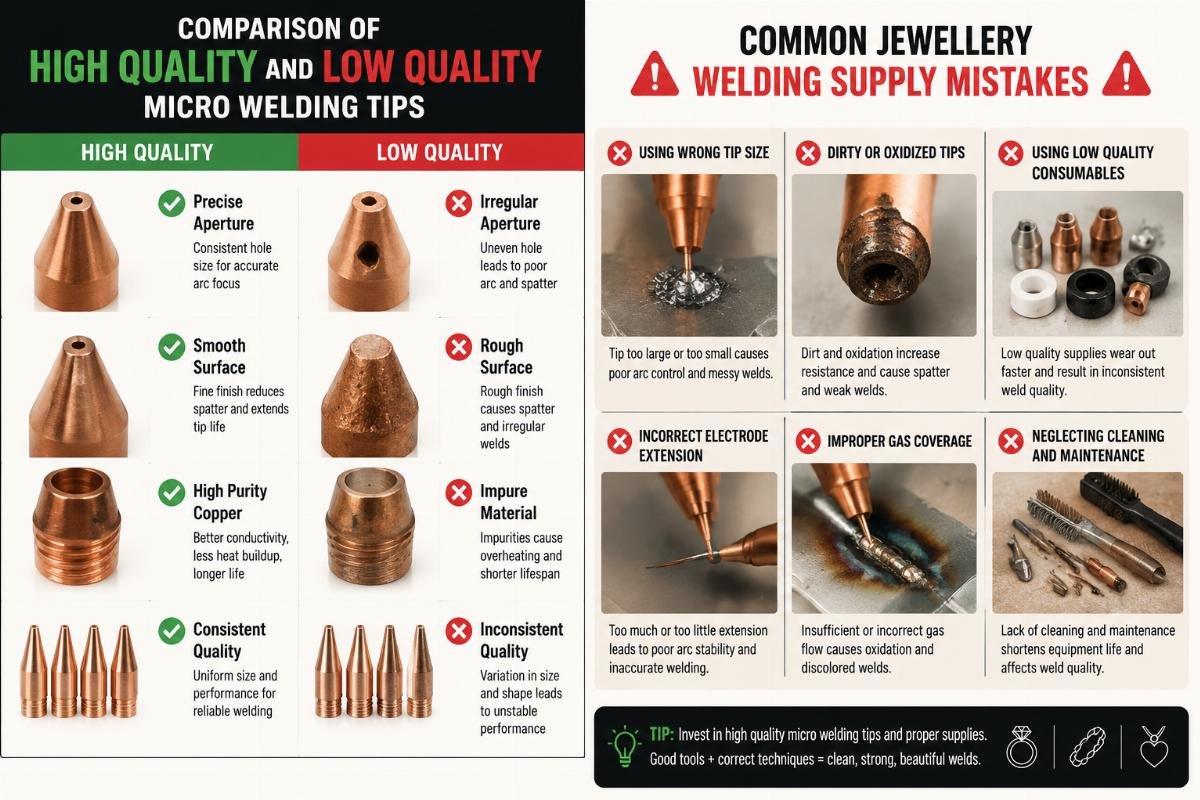
- Vendor Vetting – Only work with suppliers that can provide reference cases from other Australian jewellery makers using the same parts
- Tip Testing – Test a single sample tip before placing a bulk order to confirm fit and flame consistency
- Total Cost Calculation – Always calculate full annual cost including all fees, not just the upfront advertised price
Where to source reliable jewellery welding equipment across Australia?
**The most efficient sourcing path for Australian jewellery makers is to partner with a welding supply provider that offers nationwide coverage, pre-tested compatible parts and no-rent disposable

