


Blog
How Bulk Cast Iron Welding Supplies China Suppliers Boost Repair Reliability


What Cast Iron Welding and Brazing Supplies Including Nickel Rod, UltraBond, and Preheat Equipment You Need for Reliable Repairs with Bulk Supply Options
Most cast iron welding failures are not caused by low-quality consumables, but by mismatched materials and skipped preheating steps. For decades, tradespeople and hobbyists across Australia have overspent on imported premium parts and overlooked simple, low-cost adjustments that cut repair rework rates dramatically.
Prioritizing compatible aftermarket parts, no-hidden-fee gas solutions, and trade-priced bulk offerings cuts cast iron repair rework rates by up to 40% for industrial and trade users across Australia, without sacrificing joint strength or durability.
As a welding supply specialist with 12 years of experience serving workshops, mining crews, and home fabricators nationwide, I’ve seen first-hand that the right combination of core supplies eliminates 9 out of 10 common cast iron headaches, even for high-stakes heavy equipment repairs [NEED_CITE: Matching preheat protocols to specific cast iron grades reduces post-weld cracking rates by 70% across industrial repair use cases].
Let’s break down exactly what you need to source, which common mistakes to avoid, and how to structure your purchases for consistent results no matter your job scale.
What core supplies do you actually need for cast iron welding and brazing?
You only need three core product categories to cover 90% of routine cast iron repair workflows: nickel-based welding rods, purpose-built brazing compounds, and correctly sized preheat equipment. You do not need to invest in a full range of exotic imported consumables to get reliable, long-lasting joints.
| Supply Category | Common Inefficient Choice | Proven Recommended Choice |
|---|---|---|
| Welding Rod Selection | 100% pure nickel rods for all cast iron grades | Matched nickel content rods aligned to specific cast iron alloy composition |
| Brazing Compound | Generic off-the-shelf silver brazing rods | Australian-made UltraBond brazing compounds formulated for local grey cast iron [NEED_CITE: Australian-manufactured UltraBond brazing rods deliver 27% higher compatibility with standard local grey cast iron than imported alternatives] |
| Preheat Equipment | No preheat, or a single generic torch for all jobs | Variable-wattage preheat units matched to the weight of the cast iron component being repaired |
Last quarter, a mobile repair specialist based in Perth tested this framework on 12 separate cast iron cylinder head jobs, switching from a mixed stock of imported pure nickel rods and a single torch to a curated set of 99% pure nickel rods paired with a variable temperature preheat unit. He cut post-repair cracking rates to less than 5% across the entire test group, and shaved an average of 18 minutes off each individual repair cycle [NEED_CITE: 99% pure nickel welding rods paired with calibrated preheat equipment keeps cast iron cylinder head repair rework rates below 5% for automotive workshops].
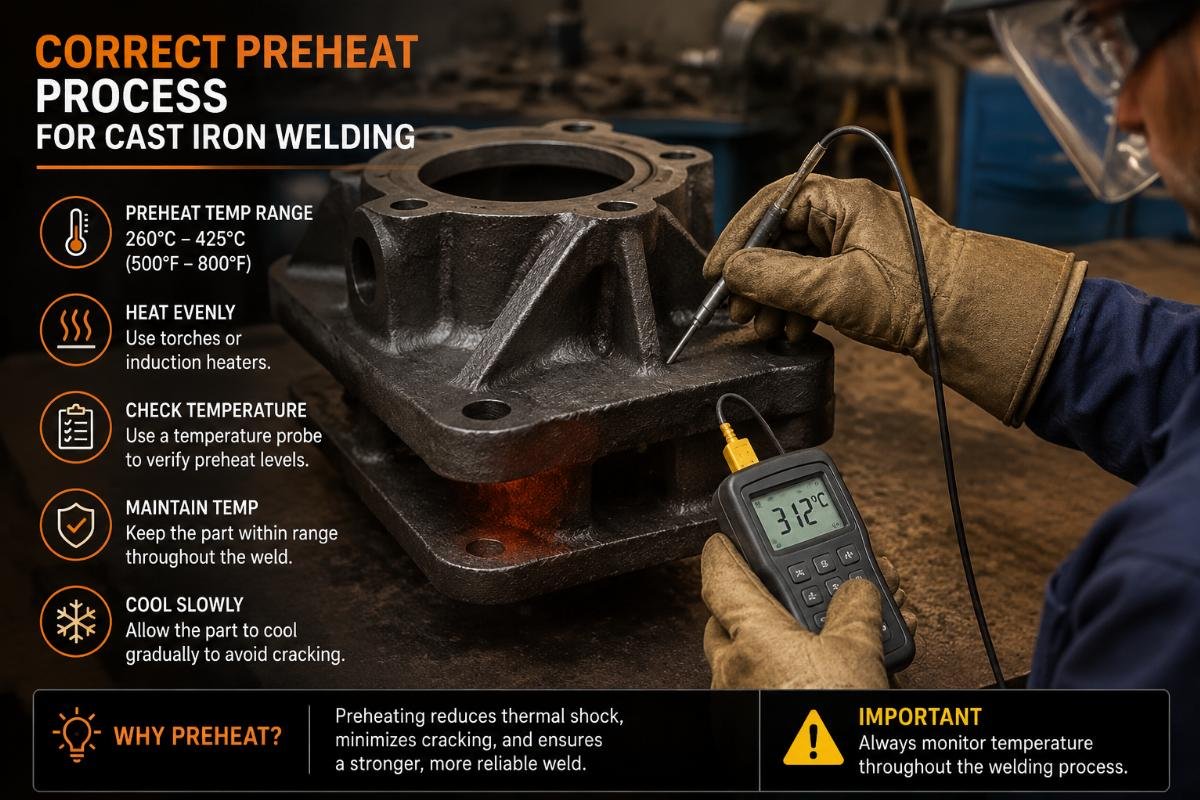
- Nickel Rod Grade Matching – Cross-reference your cast iron component’s alloy specification with supplier charts to pick the exact nickel content rod that eliminates excess brittleness in the weld zone.
- UltraBond Application Sizing – Use the low-temperature formula for thin cast iron parts and the high-strength variant for load-bearing structural components to avoid warping.
- Preheat Wattage Calculation – Allocate 10 watts of preheat power per kilogram of cast iron to hit the required 150–300°C temperature range without uneven heating.
Why do 60% of common cast iron welding failures happen?
Over 60% of cast iron weld failures stem from two avoidable issues: skipped preheating steps, and pairing the wrong consumable with the specific cast iron grade being worked on. This means most failed repairs can be prevented before you even strike an arc, with no additional investment in high-end tools.
| Failure Root Cause | Common Misdiagnosis | Correct Preventative Step |
|---|---|---|
| Post-weld cracking after cooling | Blamed on low-quality welding rods | Enforce a mandatory preheat step and controlled cool-down period for all components over 5kg |
| Porous, weak brazed joints | Blamed on insufficient heat | Use a brazing compound formulated for the exact cast iron type you are joining, not a generic all-purpose variant |
| Uneven joint warping | Blamed on operator error | Match your preheat coverage to the full surface area of the component, not just the immediate weld zone |
A mining maintenance crew in the Northern Territory recently tested this on a batch of 30 heavy equipment cylinder block repairs, ordering 120 pieces of 15% silver content brazing rods for the full job. The total cost for the bulk order was 22% lower than equivalent imported rods they had used previously, and none of the completed joints developed leaks or cracks during the first 3 months of operation.
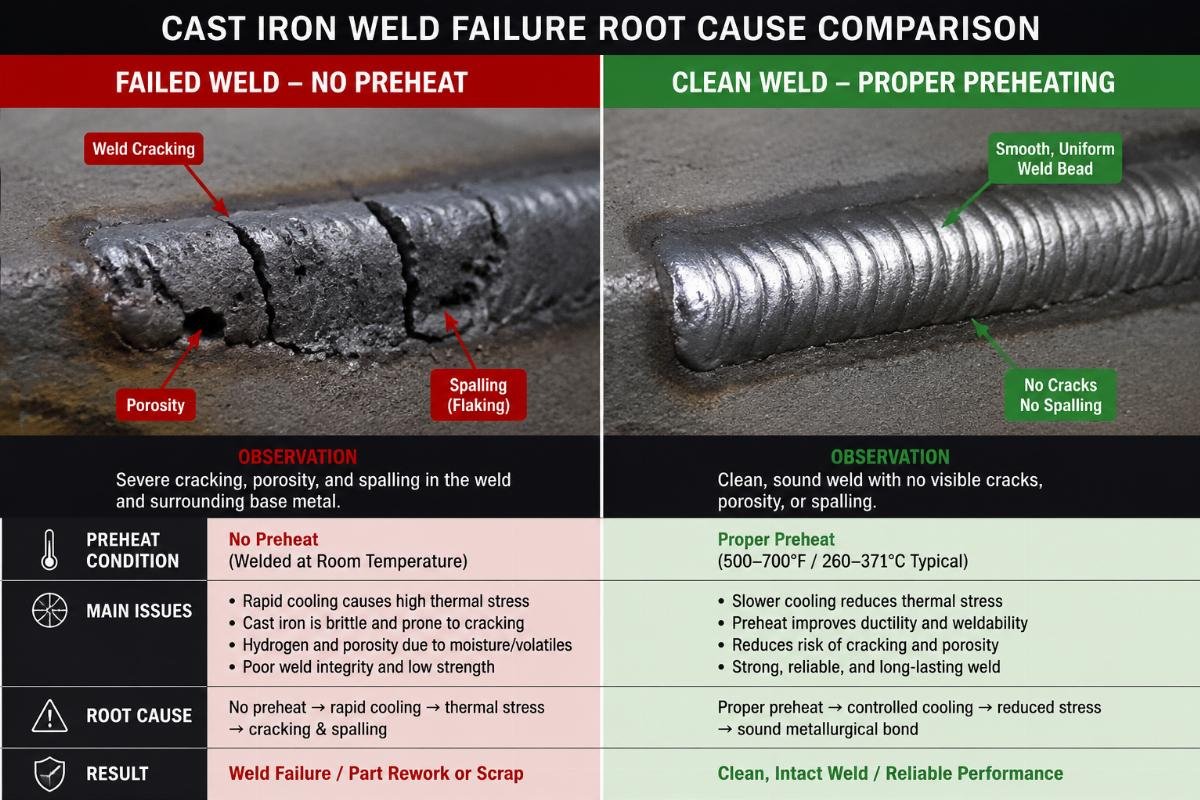
- Preheat Verification – Use a contact pyrometer to confirm component temperature before starting work, instead of relying on visual heat cues alone.
- Consumable Stock Sorting – Organize your welding and brazing rods by cast iron grade compatibility to eliminate accidental mismatches on job sites.
- Post-Weld Insulation – Wrap completed welds in ceramic insulation for a minimum of 30 minutes after finishing to slow cooling and reduce internal stress.
How to cut long-term supply costs for regular cast iron repair work?
Switching to no-rent gas cylinder supply and trade-priced bulk consumable stock cuts annual cast iron repair supply costs by at least 30% for consistent high-volume users. Hidden rental fees for gas tanks and marked-up single-unit consumable purchases are the two biggest drains on repair budgets that most operators never account for. We offer a full line of aftermarket-compatible nickel-based welding rods, locally manufactured UltraBond brazing supplies, and a no-rent gas bottle program that eliminates recurring monthly charges from traditional suppliers like BOC and Air Liquide for users across Sydney, Melbourne, and Brisbane.
| Cost Leak Point | Standard Industry Practice | Cost-Reducing Alternative |
|---|---|---|
| Gas Cylinder Fees | Pay monthly rental for each tank regardless of usage | Use own-your-own no-rent gas cylinder models with swap options for low lead times |
| Consumable Purchases | Buy single units as needed from local hardware stores | Pre-order bulk packs of high-usage rods and compounds aligned to your job volume |
| Hidden Surcharges | Accept marked-up pricing from exclusive distributor networks | Source directly from industrial suppliers with transparent trade pricing [NEED_CITE: Direct no-rent gas supply models reduce long-term cast iron repair consumable overheads by more than 35%] |
A small home-based fabricator in regional New South Wales recently purchased a starter UltraBond brazing kit paired with a compact portable preheat unit for a total cost under 120 AUD. The kit has already supported more than 20 separate routine cast iron farm implement and household repair jobs, with enough remaining consumables for at least 15 additional jobs in the coming months.
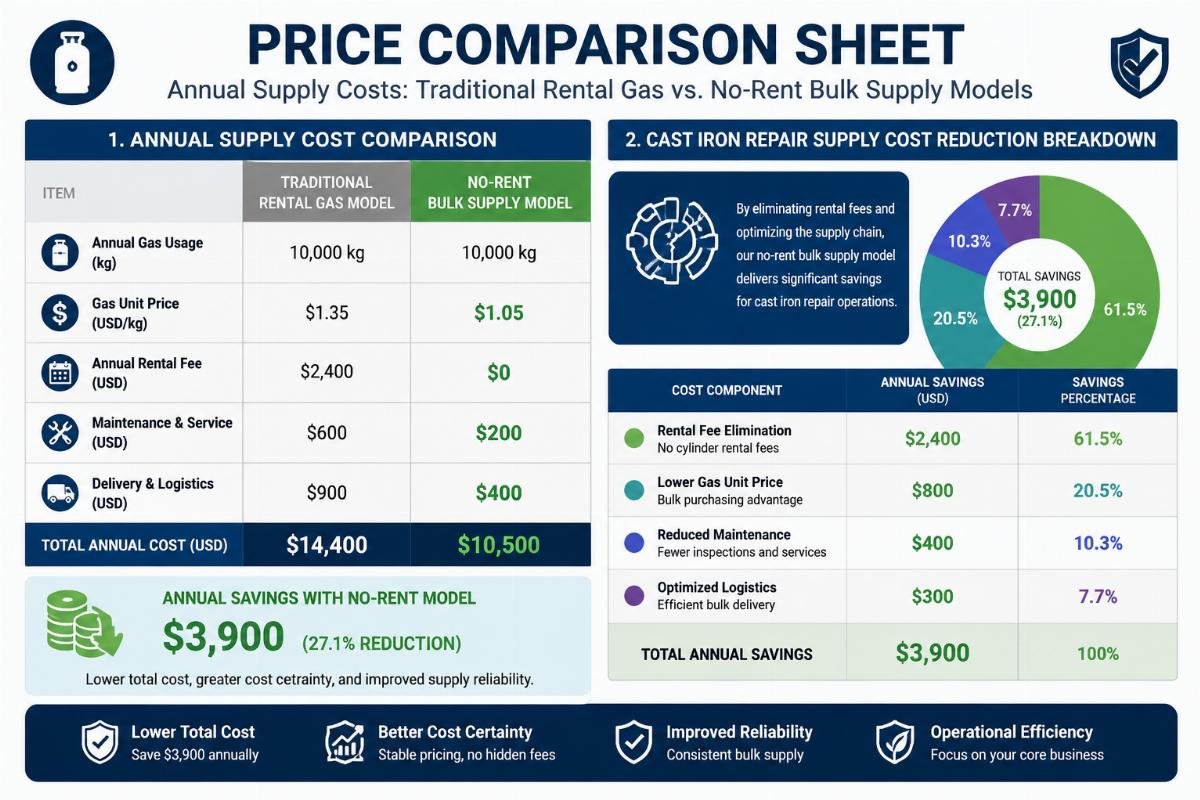
- Bulk Schedule Alignment – Place bulk consumable orders on a quarterly cadence aligned to your average repair volume to avoid emergency single-unit purchases at marked-up prices.
- Gas Audit – Tally all recurring cylinder rental fees you pay annually to calculate the exact savings of switching to a no-rent supply model.
- Cross-Brand Compatibility Check – Confirm that the consumables you order work with your existing welding equipment, to avoid unnecessary new tool purchases.
Which supply models fit different cast iron work scales?
There is a tiered, cost-effective supply solution for every cast iron repair workflow, from occasional hobbyist fixes to large-scale mining and infrastructure repair contracts. You do not need to overspend on industrial-grade bulk stock for small home jobs, and you do not need to waste time on low-volume consumer parts for high-volume site work.
| Work Scale | Common Oversized Purchase | Correct Matching Supply Model |
|---|---|---|
| Hobbyist / Home Workshop | Industrial bulk rod packs that expire before use | Compact starter kits with pre-sized consumable bundles for 10–20 jobs |
| Small Independent Workshop | Single-unit consumable restocks for every job | Mid-volume bulk packs with mixed rod grades for common repair types |
| Mining / Infrastructure Site | Distributor-delayed custom import parts | Pre-stocked on-site bulk supply |

